© Erwin Christis
Flora and fauna
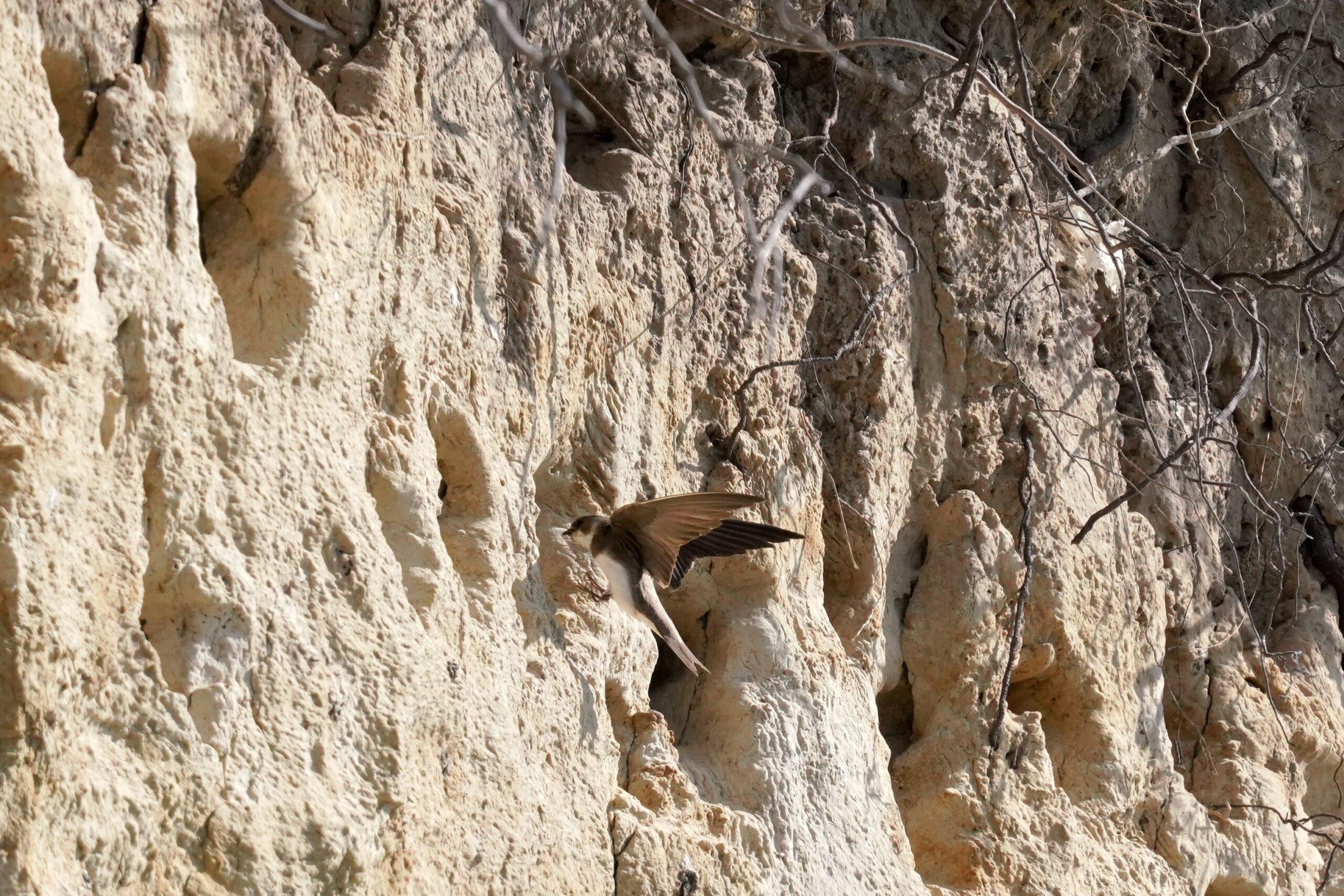
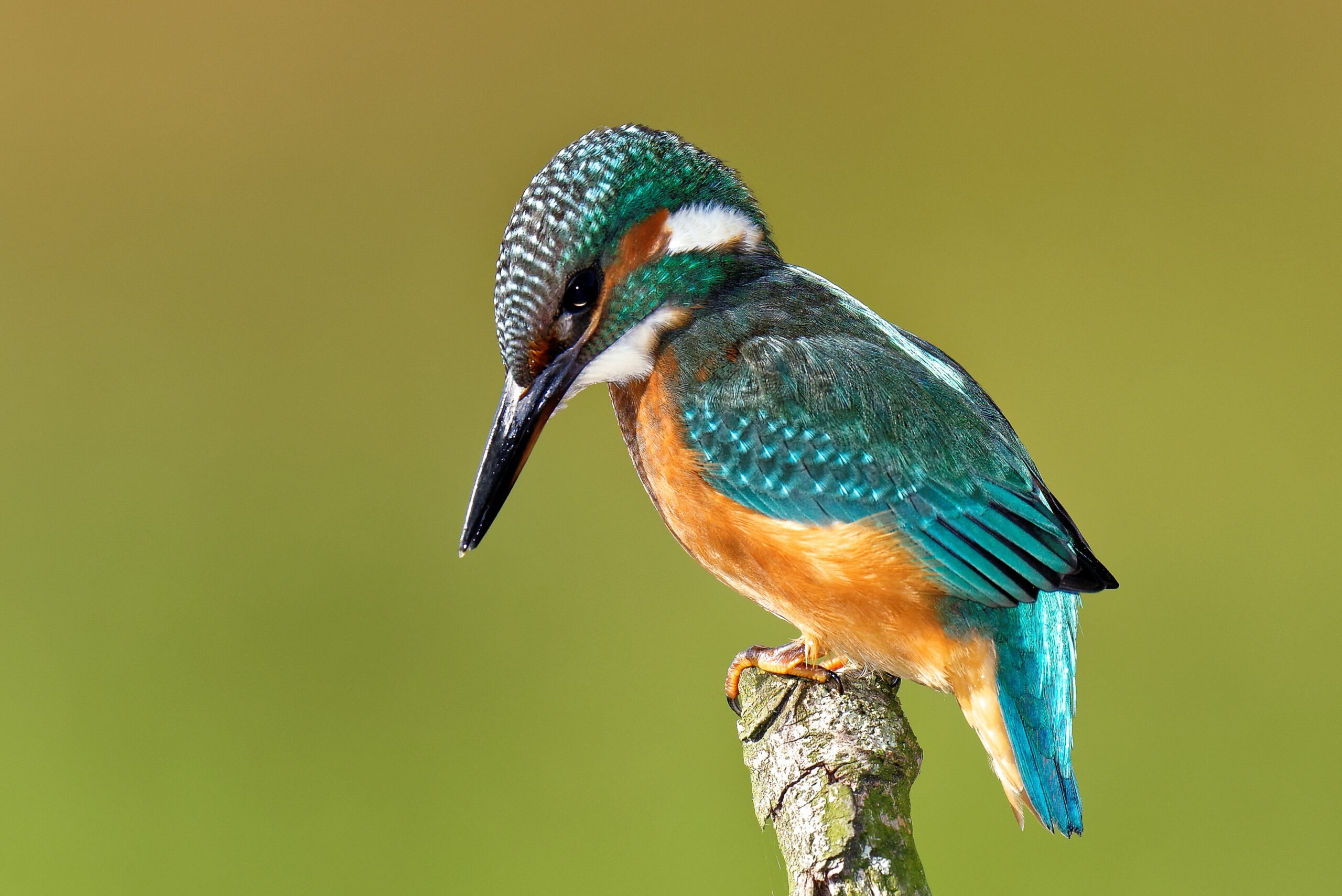
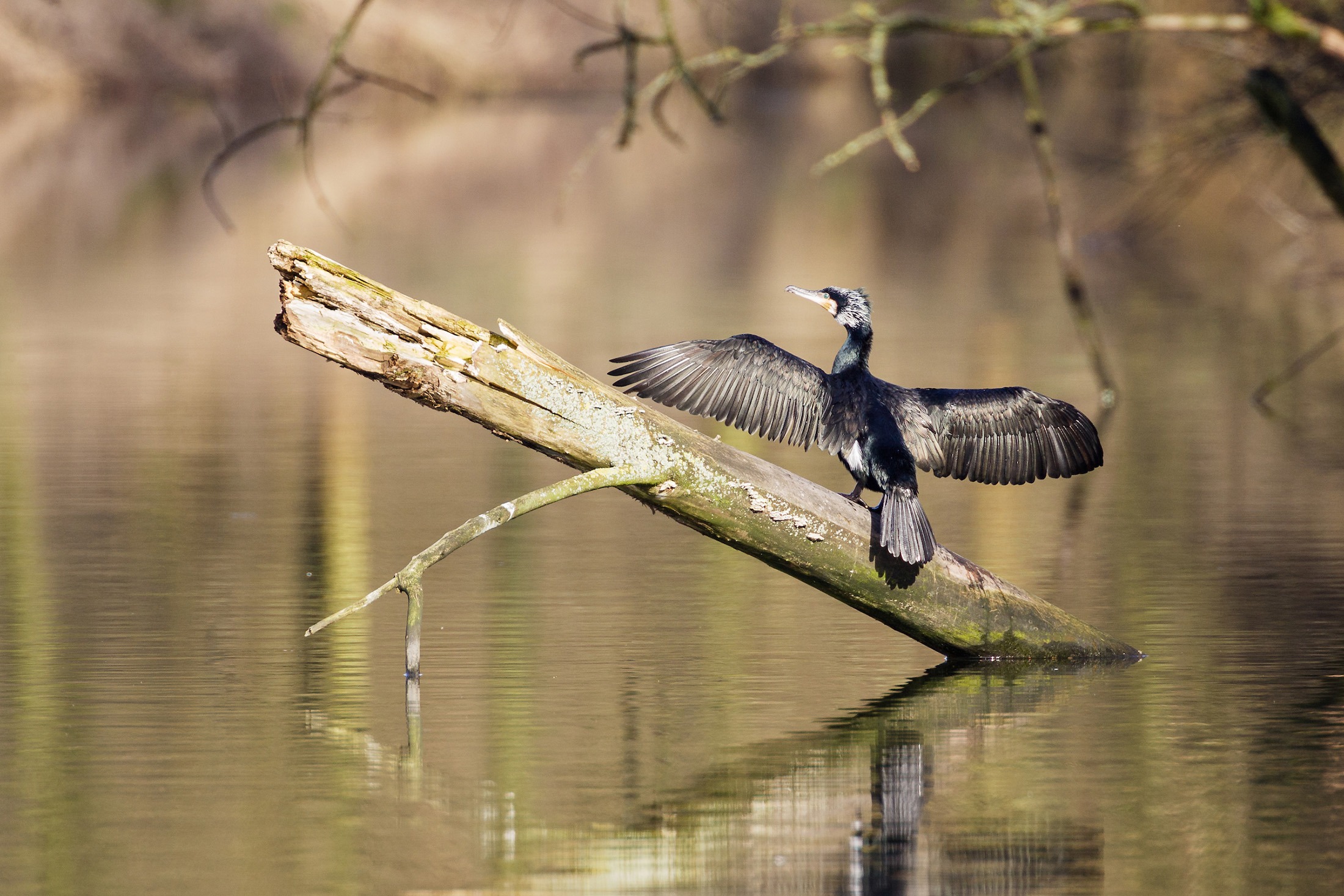
The Meuse Valley boasts a rich diversity of species, closely tied to the river and its floodplains. With the partial restoration of the river’s natural dynamics, gravel islands and riparian forests are reappearing. The old meanders and side channels of the Meuse now provide habitats for various characteristic species. Several former gravel pits, now filled with water, have been integrated into the river system. You’ll also find smaller ponds in the Meuse Valley, which are home to species such as the European tree frog and the great crested newt.
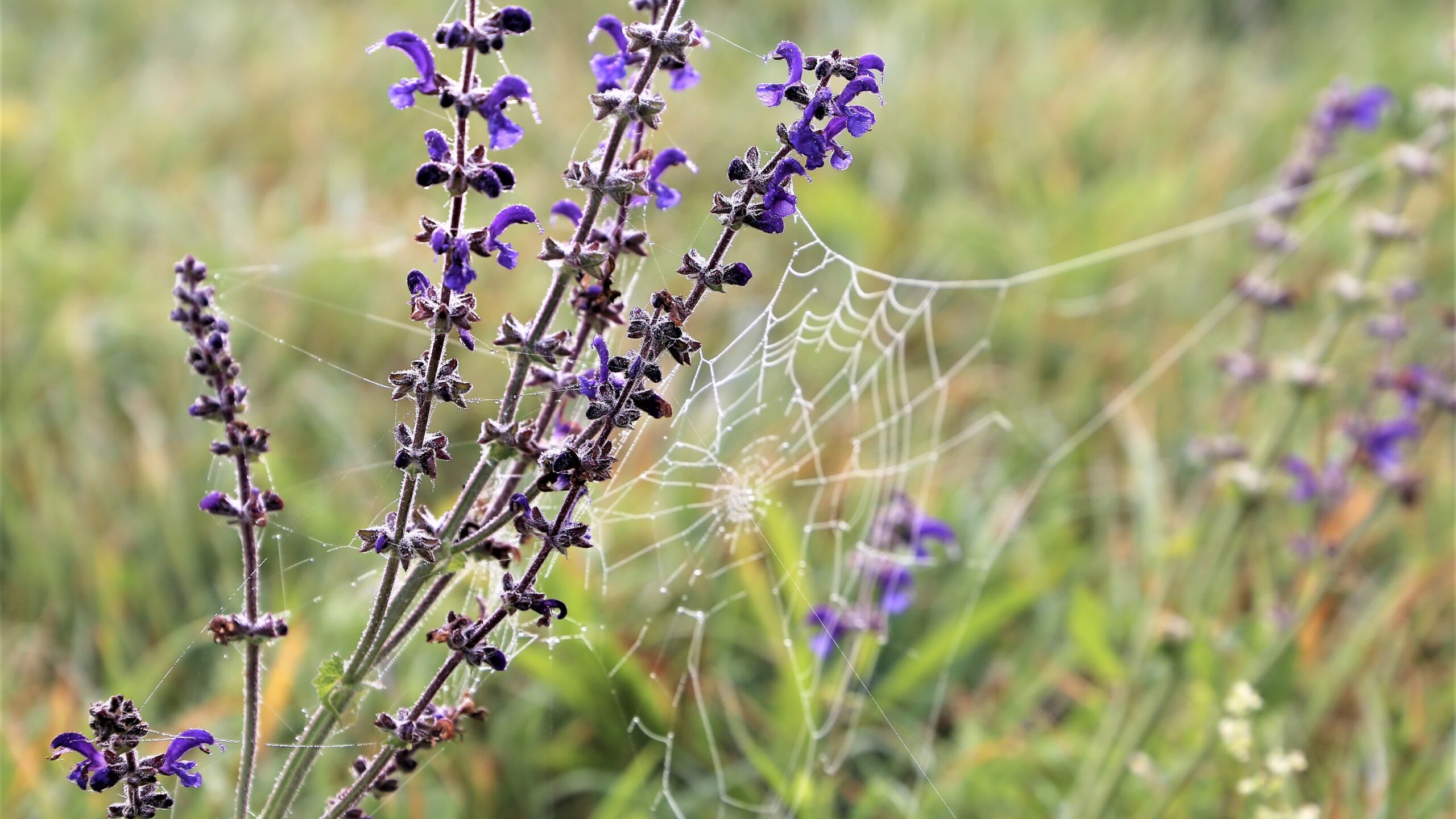
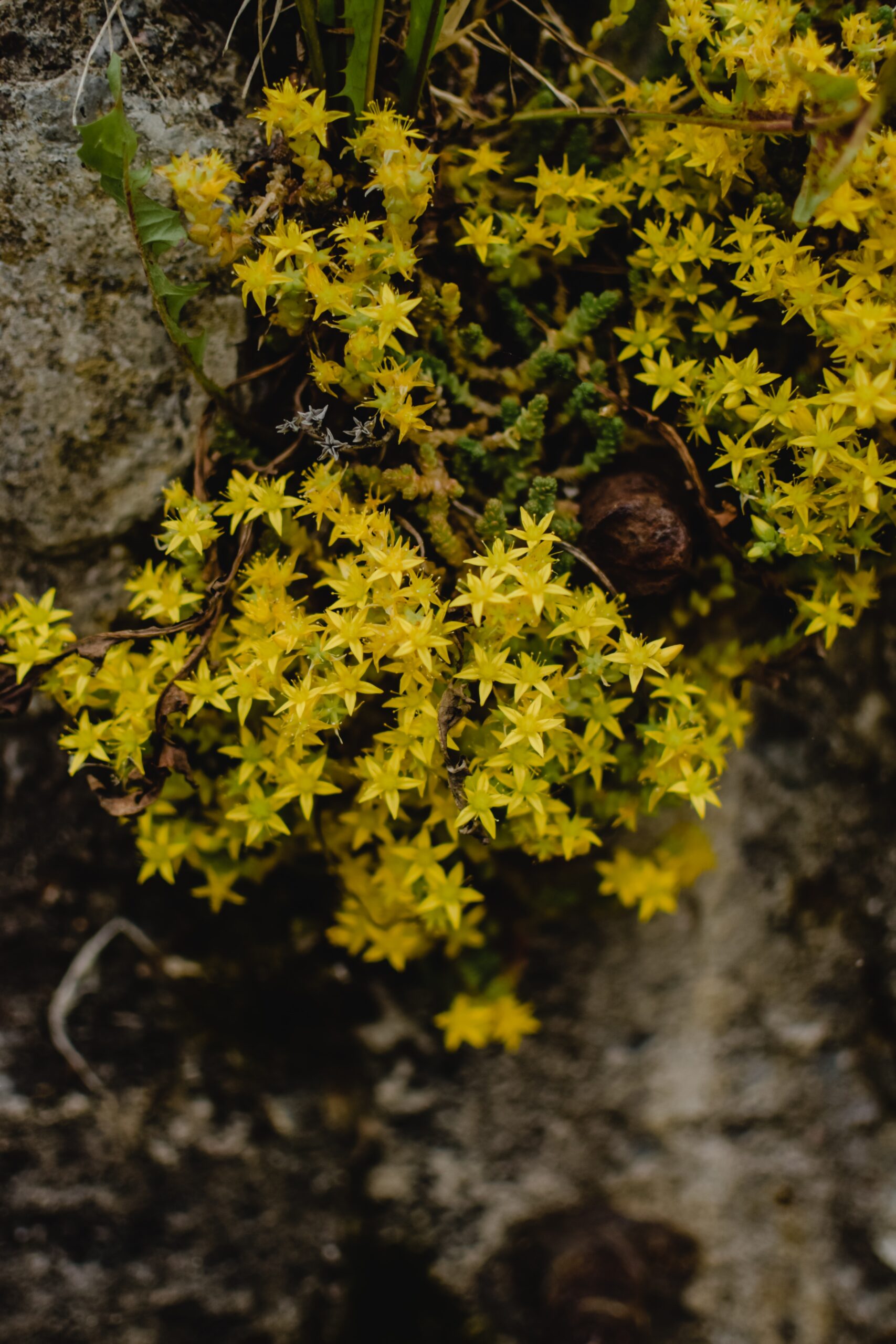
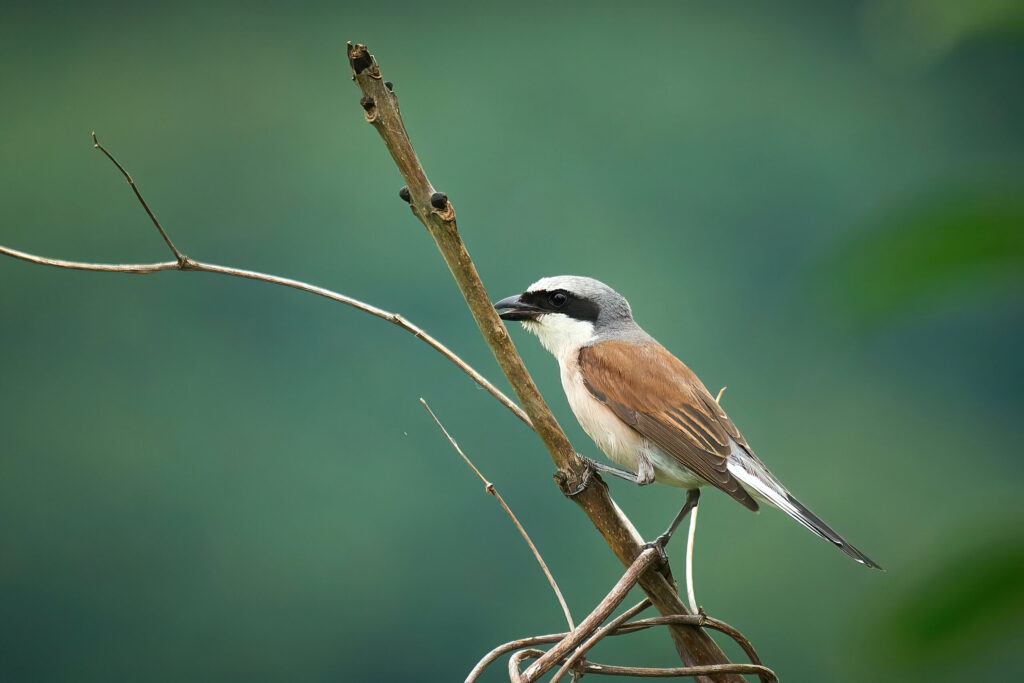
In the river itself, species like river lamprey, barbel, salmon and the yellow-legged dragonfly can be found. Shallow streams feed into the river, with the Geul and the Bosbeek being the largest. On the river’s gravel banks, pioneer species thrive, and further up in the floodplain meadows, you’ll find plants like meadow sage, field scabious and breeding birds such as the whinchat and red-backed shrike.
Various types of vegetation
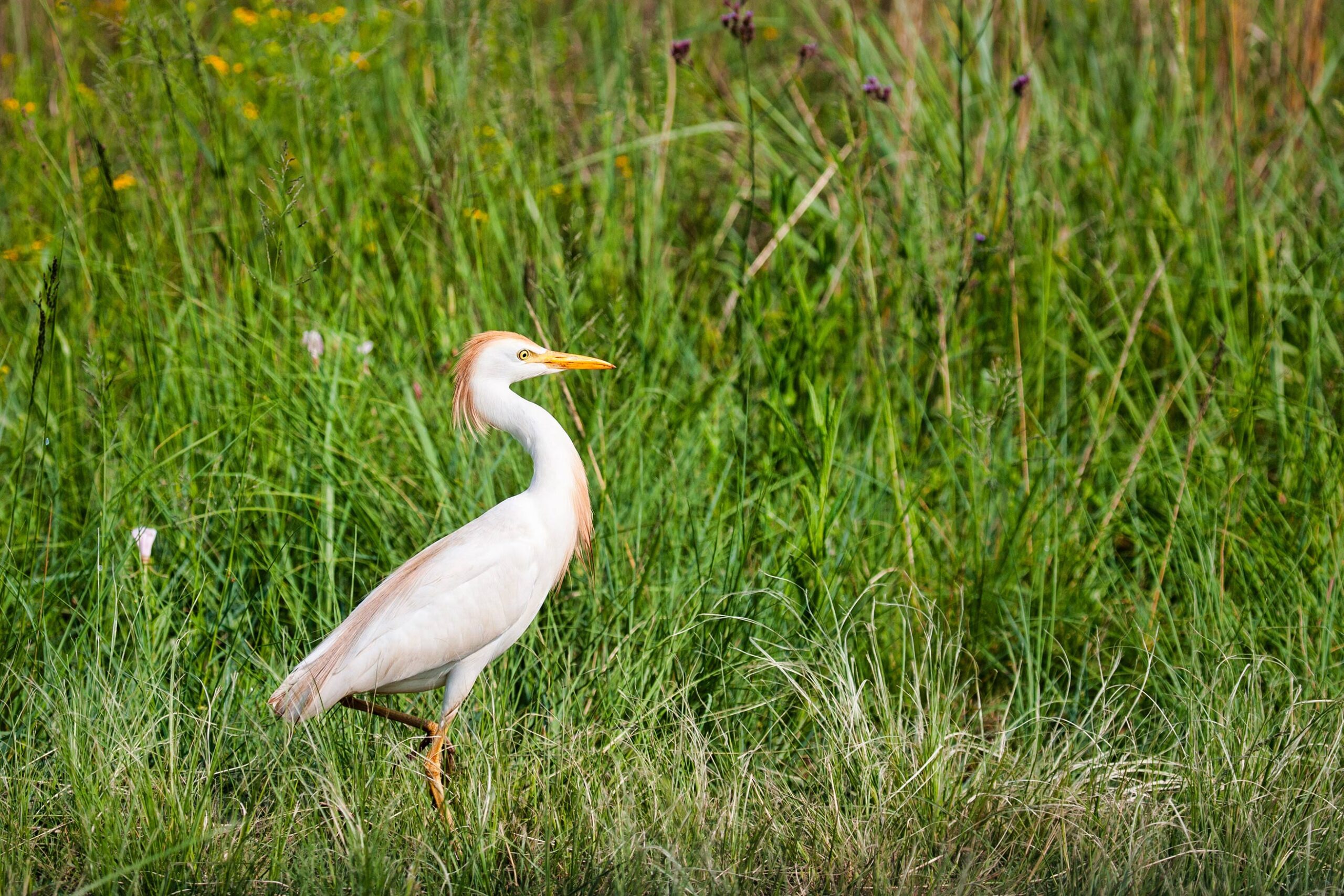
In areas where vegetation has room to grow, riparian forests emerge—woodlands that are regularly or occasionally flooded. Softwood riparian forests, with trees like willows and black poplars, are common along the Meuse, offering shelter and nesting sites for birds. The beaver is also very active in these areas. The much rarer hardwood riparian forests, still found in Leut, are home to plants like wild garlic and snowdrops and bird species such as the wood warbler and middle spotted woodpecker. Wet forests can be found in Vijverbroek and in the spring-fed forest of the Kingbeek. Year-round grazing is practised in the nature reserves along the Meuse,with herds of Galloways and Konik horses helping to maintain the open landscape. Their grazing creates a mosaic of grasslands, shrubs and riparian forests, while their fur helps spread seeds. Besides nature reserves, much of the Meuse Valley consists of agricultural and residential areas. Even here, many species thrive, benefiting from wide-open farmland (supporting species like farmland birds) or smaller landscape features such as heritage trees or hawthorn hedges.
The fauna and flora of the Meuse are monitored every 10 years along both banks through the ‘Maas in Beeld’ (Meuse in focus program). You can read the latest monitoring report on our ‘publicaties, onderzoek en downloads’ and watch the symposium with the same name on our YouTube channel.